
Jun 12, 2026
Field-Led Organizations Need Better Tools
The field is not a side channel. For many organizations, it is where the real work and the real truth live.
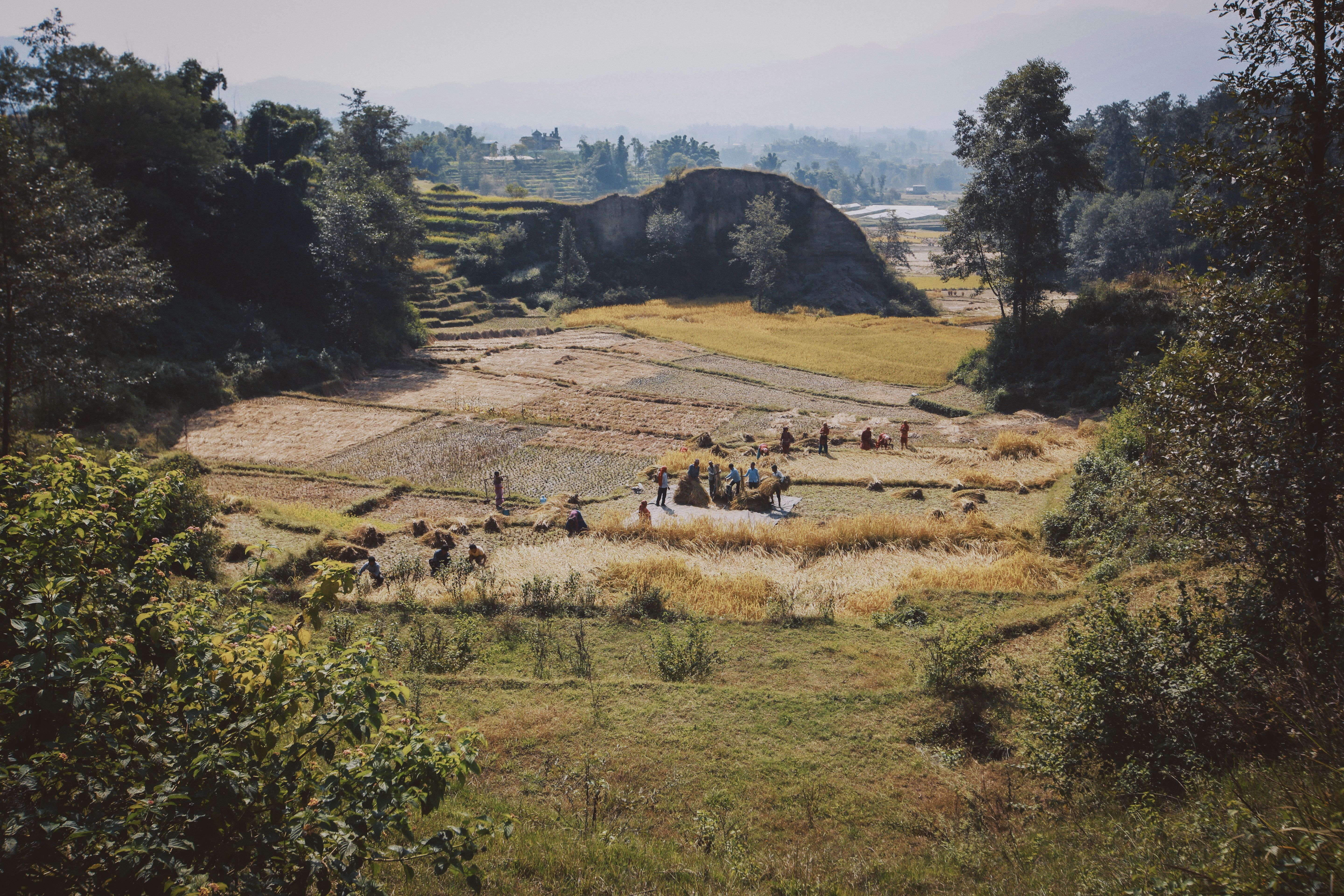
Some of the most important work in an organization happens far from the room where it is discussed.
A field officer visits a site. A farmer shares a concern. A supplier confirms a delivery. A local team notices that the plan on paper does not match the situation on the ground. A photo is taken. A note is sent. A number is updated. A small detail changes what should happen next.
By the time that information reaches the office, it may have passed through a phone call, a message thread, a spreadsheet, a forwarded image, and someone's memory.
That journey matters.
When the path is messy, the work becomes harder to trust. Photos get separated from context. Dates are unclear. Updates arrive after decisions have already been made. Managers ask for information that someone already sent, just not in a place anyone can find. Reports take longer because the evidence was never organized while the work was happening.
Field teams often carry this burden quietly.
They are expected to collect information, explain delays, serve people, coordinate locally, and still fit everything into systems designed for office life. When the tools do not respect field reality, people create workarounds. Then the workaround becomes the real system.
Better tools should not make field work heavier.
They should make the important things easier to capture at the right moment. They should help people record what happened without turning every visit into paperwork. They should show what is missing early enough to fix it. They should help supervisors review work without chasing every update manually.
Most importantly, they should make field teams feel seen, not monitored for the sake of monitoring.
This matters across development work, agriculture, local enterprise, and finance-adjacent services. The field is not a side channel. It is where promises meet reality.
Kabeli wants to build tools that respect that.
Tools that keep notes, photos, people, places, and decisions connected.
Tools that help leadership understand what is happening without flattening the story.
Tools that reduce the distance between the work being done and the decisions being made from it.
That distance is where a lot of institutional friction lives.